AKA Lo Spettro
Director: Riccardo Freda
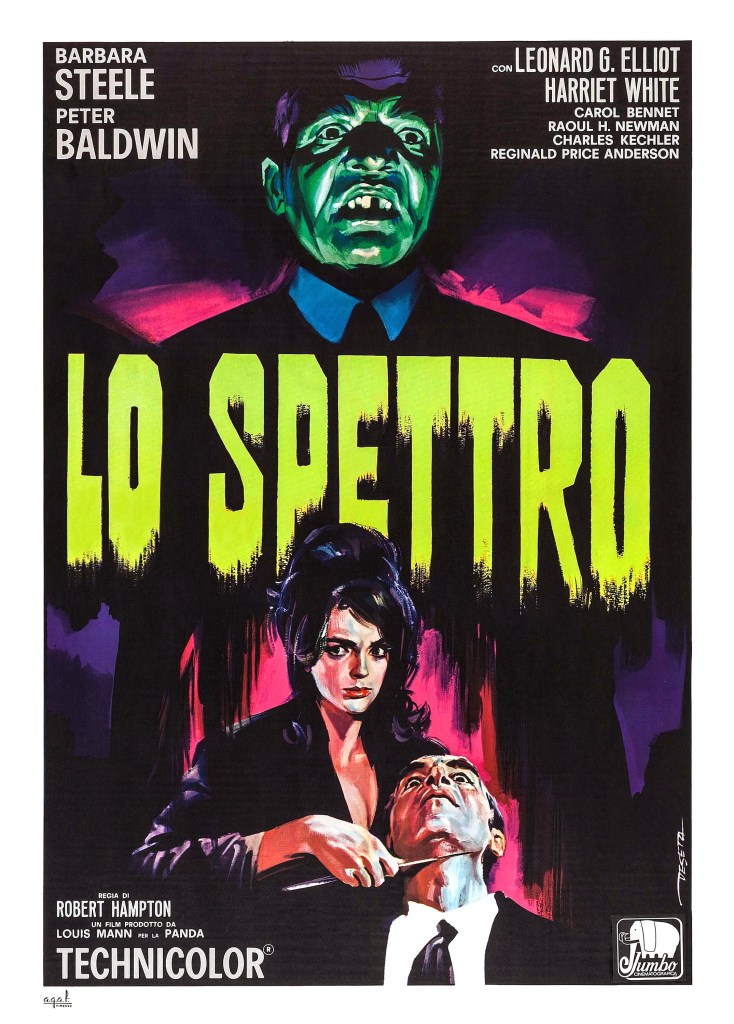
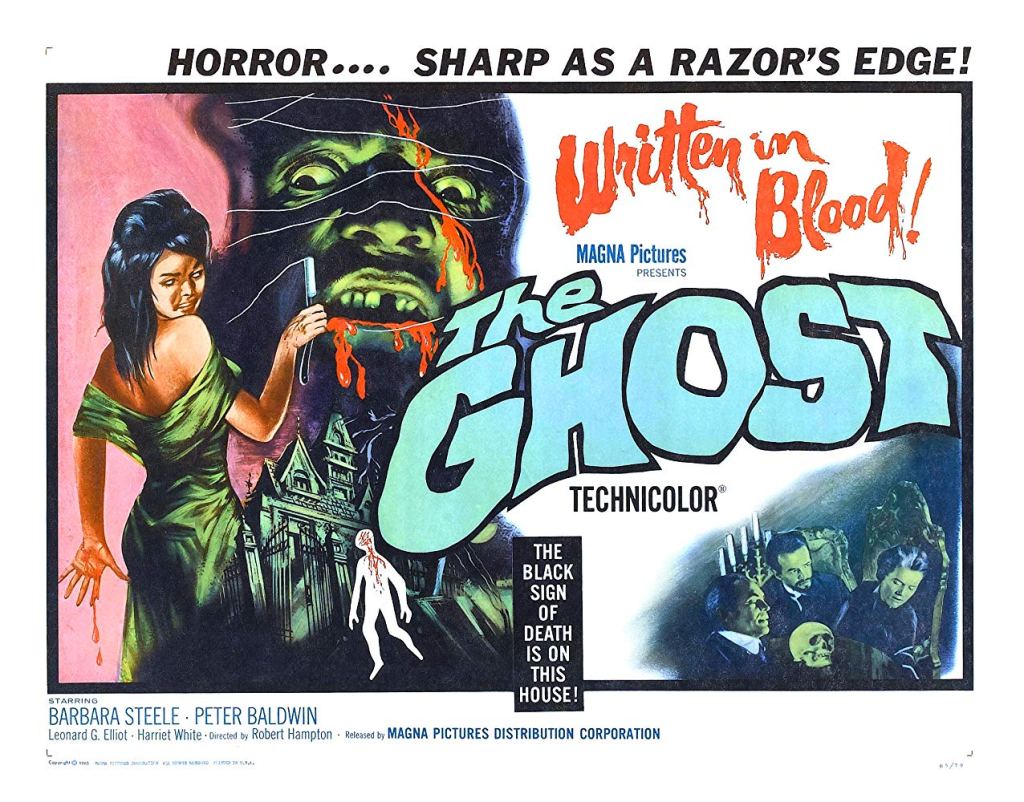
This week we are heading back to what I think is the golden age of Italian gothic horror, the 60s, for another film from cinema legend, Ricardo Freda (under his psydeunm Robert Hampton). “The Ghost”, released in 1963, just one year after “The Horrible Dr. Hichcock”, sees Freda reunited with some of the cast and crew of that film, including star Barbara Steele and co-star Harriet Medin. In fact, in some ways you could be forgiven for thinking it is a sequel to “The Horrible Dr. Hichcock” seeing as Barbara Steele plays a character called “Mrs Hichcock” and Harriet Medin plays another housekeeper but I’m afraid to say those are the only links to “The Horrible Dr. Hichcock”, which is probably for the best seeing as how highly I regard that movie.

Set in Scotland (not that you would know from watching the film) the plot revolves around a love triangle between Barbara Steele’s Mrs Hichcock, the crippled Dr. Hichcock (played by Elio Jotta) and Dr. Livingston (played by Peter Baldwin). Confined to his carpet covered wheelchair, Dr. Hichcock likes to dabble in the occult with the housekeeper, holding regular seances, whilst the live in Dr. Livingston aids Hichcock with his experimental treatment in the hope to cure his lameness. The treatment involves giving a shot of poison followed by an antidote moments later. I’m no scientist but even I can see this probably isn’t going to work. Mrs Hichcock, not satisfied in her marriage, embarks on an affair with Dr. Livingstone when he is not caring for her husband, sometimes right under Hichcock’s nose. The adulterous pair plan to eventually kill the poorly Dr. so they can reap the rewards of his fortune. Sure enough one day they do their evil deed but all is not what it seems and Mrs Hichcock soon starts to be haunted by her dead husband.
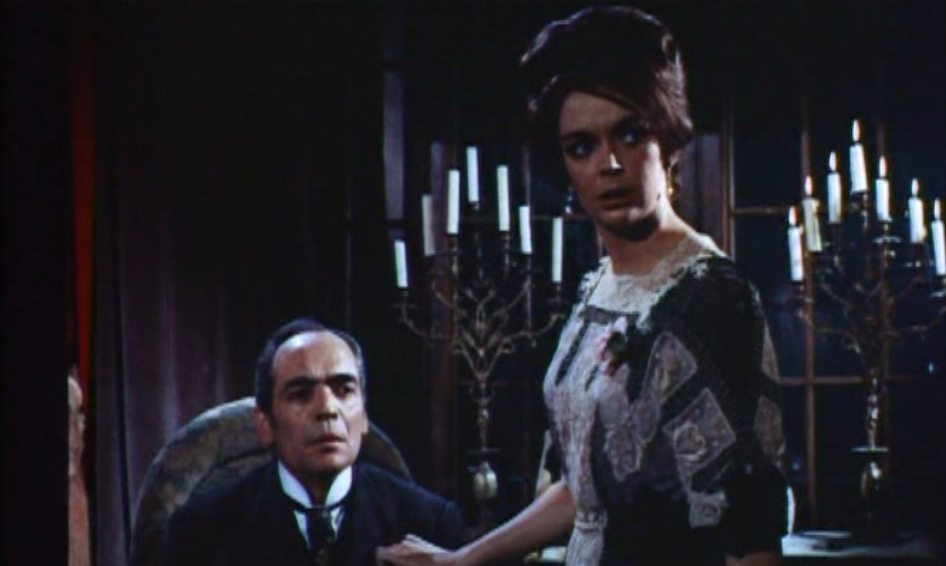
As you can tell, the plot isn’t quite as taboo as “The Horrible Dr. Hichcock”, which skilfully managed to tackle the subject of necrophilia whilst still being quite classy and tasteful. “The Ghost” almost makes up for its slightly routine plot by giving us quite a dark and grim ending. The climax sees Barbara Steele in utter hysterics and she plays it brilliantly. At the end of the film though, I did begin to wonder if the conclusion was gloomy and sad after all. All of the main characters are deeply flawed and do some very bad things so the fact it is not a happy ending makes me feel it serves them right! It also made me wonder who in the film we should be rooting for. I found myself siding with Mrs Hichcock but I think that was purely because it’s Barbara Steele more than anything else.
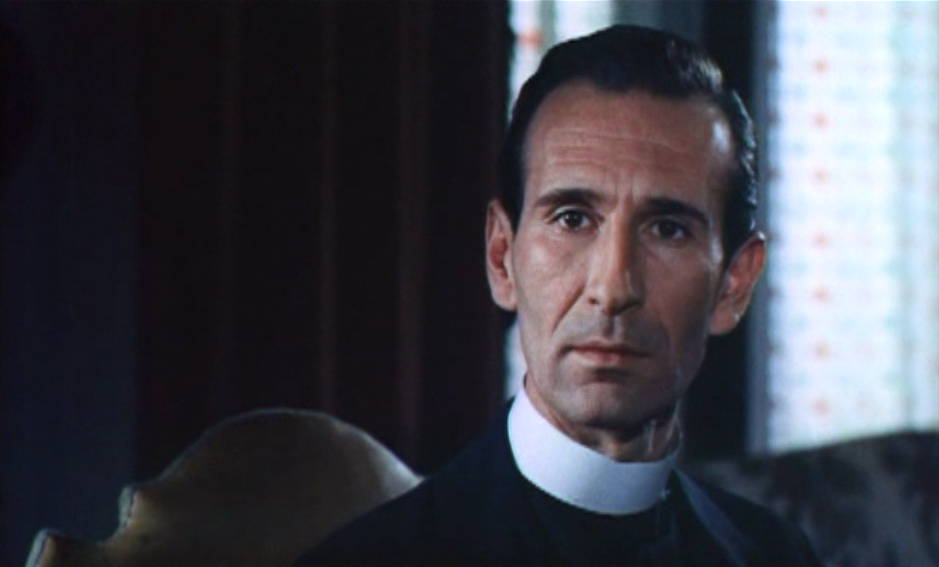
There is a side character, a priest, played by the always excellent Umberto Raho, who essentially gets to say “I told you so” after warning Dr. Hichcock about his tampering with evil spirits and warning Mrs Hichcock about her sordid affair, but his character is not pivotal enough for the audience to root for him but seems to be the only one with any moral compass. Maybe the message of the film is only a holy life can be a good life but I don’t think it’s a pro-religion story. As always, I am probably reading too much into this.
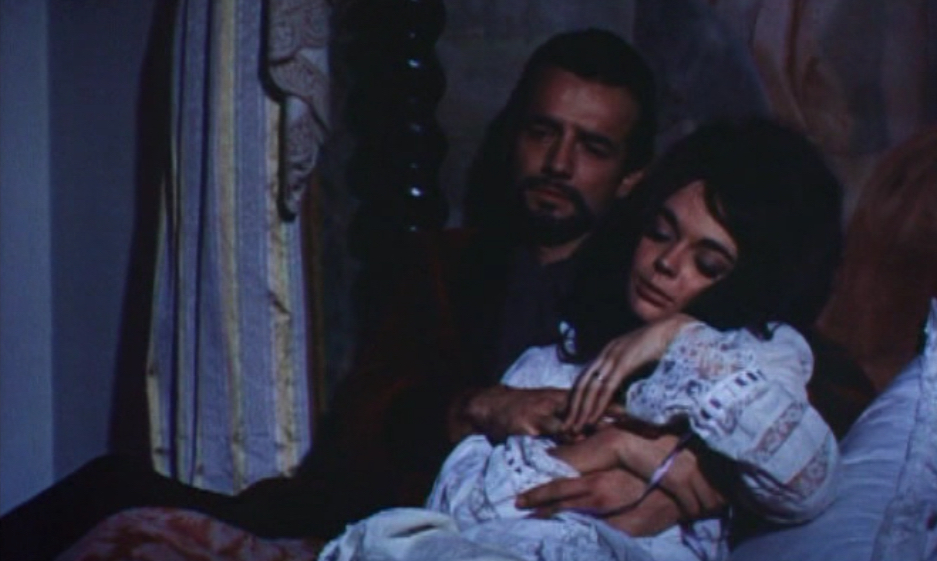
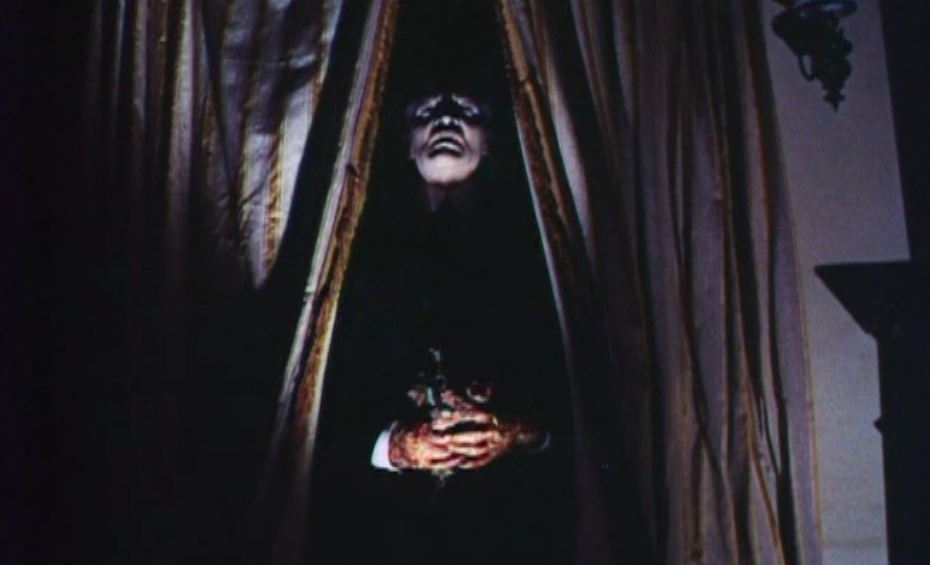
Dubious characters aside, the film does exactly what it needs to by creating a creepy atmosphere with enough jumps and bumps to keep the audience interested. A few scenes in particular work very well; shortly after Dr. Hichcock’s funeral his empty wheel chair is heard moving through the house and then crashes down the stairs. Another scene involves the housekeeper, seemingly possessed, sat in an armchair next to a red light talking in the voice of the old doctor. The scene that probably unnerved me the most though was when the dead doctor appears from the shadows of his widows bedroom and slowly creeps towards her.
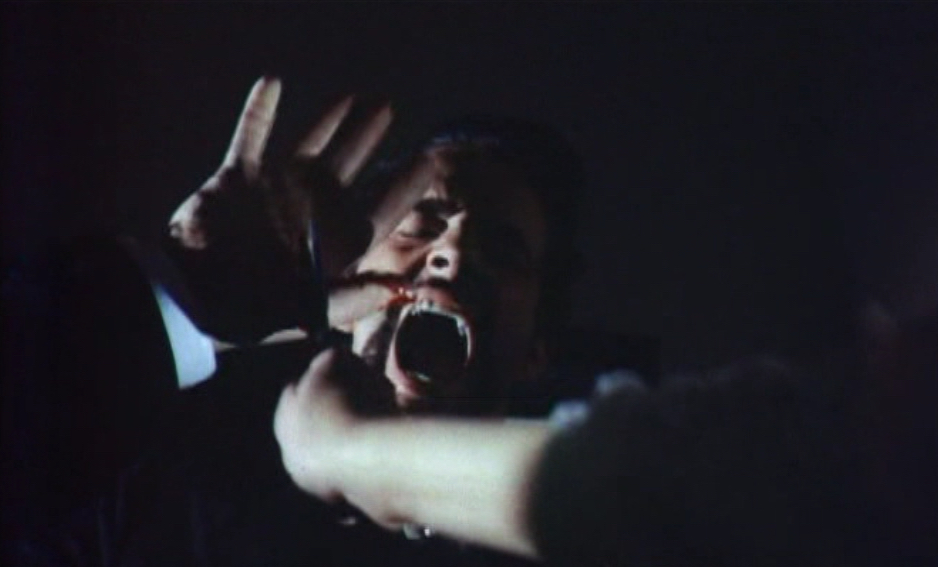
The film is quite violent in places, most notably a scene where Mrs Hichcock attacks another character, repeatedly slashing away at their hands using a cut throat razor along with some very wince inducing sound effects.
The score by Franco Mannino is very good, especially the reoccurring diegetic “music box” theme which is really effective and gets more and more threatening as the film progresses.
The film is obviously directed with style and class but that is no surprise seeing as Riccardo Freda is at the helm.
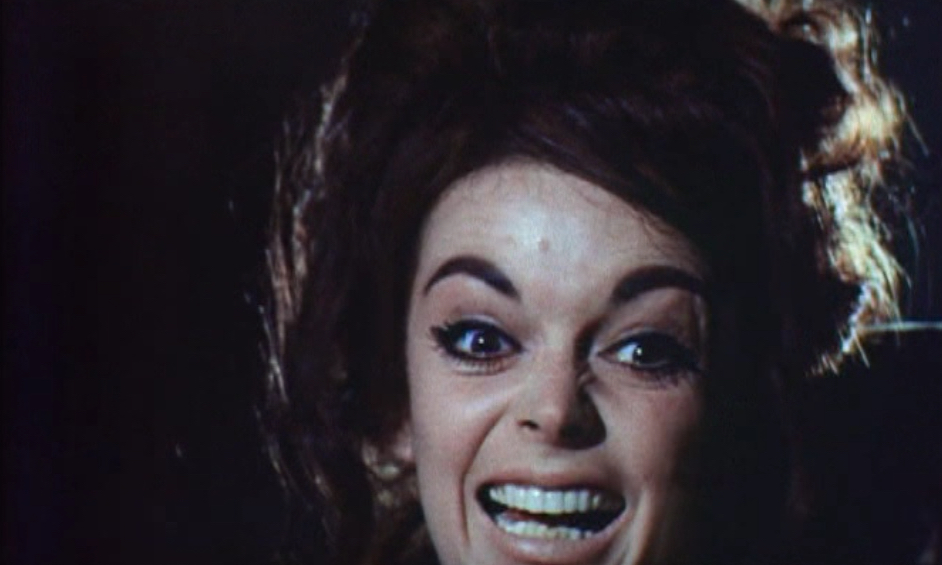
Barbara Steele is as striking as ever and it feels like she has a bit more scope to show a range of emotions in this movie, especially in the final scenes. The rest of the cast are good too; Peter Baldwin is slightly workman like in his portrayal of the younger Dr. Livingstone but I think that’s more due to the way the character has been written. Elio Jotta is great as Dr. Hichcock, especially the early scenes where we find him reflecting on his life and his condition. He manages to be quite menacing and controlling despite being an invalid and despite the fact that unbeknownst to him, he is losing control over his life. Harriet Medin does her housekeeper thing once again but excels during scenes when she has become a vessel for the dead Dr. to communicate with the living. Finally, Umberto Raho is always a welcome addition as he has a great presence; there’s almost something a bit Anthony Perkins about him, and he lifts any movie he is in. He would of course continue working in the realms of Italian horror for years to come featuring in the like of “The Long Hair Of Death”, “Oasis Of Fear”, “The Night Evelyn Came Out Of The Grave” and The Bird With The Crystal Plumage”.
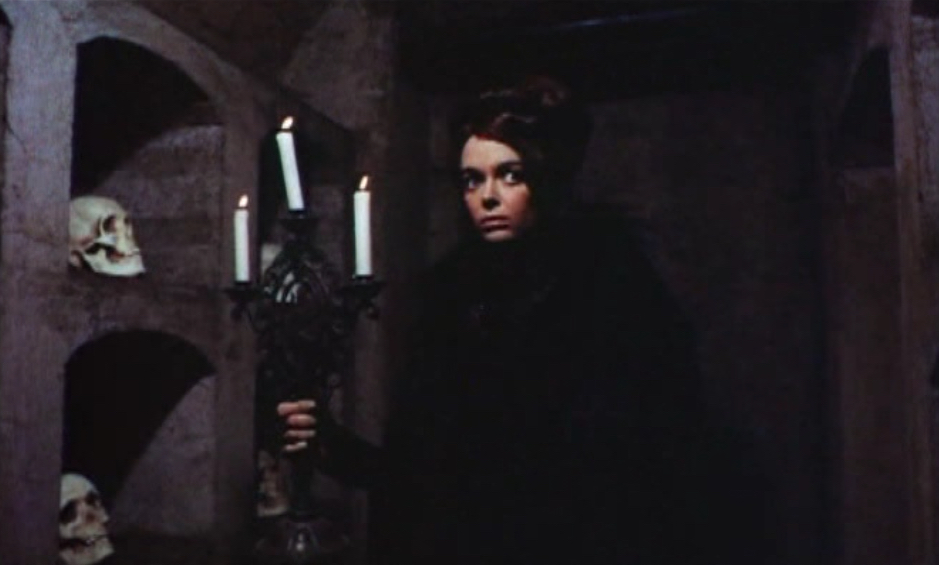
“The Ghost” is a great little movie, and ticks all of the boxes you would want from an Italian gothic horror film of this era. For me it doesn’t have the edge when compared to “The Horrible Dr. Hichcock” but that doesn’t mean there isn’t plenty to enjoy here and truth be told, the corpse fucking in that film is probably too much for most audiences. If you need a fix of some classic gothic style horror then you could do a lot worse than “The Ghost” but as before, if you are new to the sub genre then I’d still recommend Mario Bava’s seminal “Black Sunday” as essential viewing first.
 Si's Homepage Of Horror