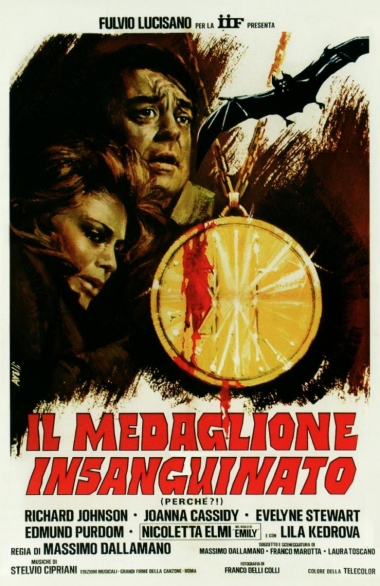
AKA The Cursed Medallion / Together Forever / Il Medaglione Insanguinato (Perche?!)
Director: Massimo Dallamano
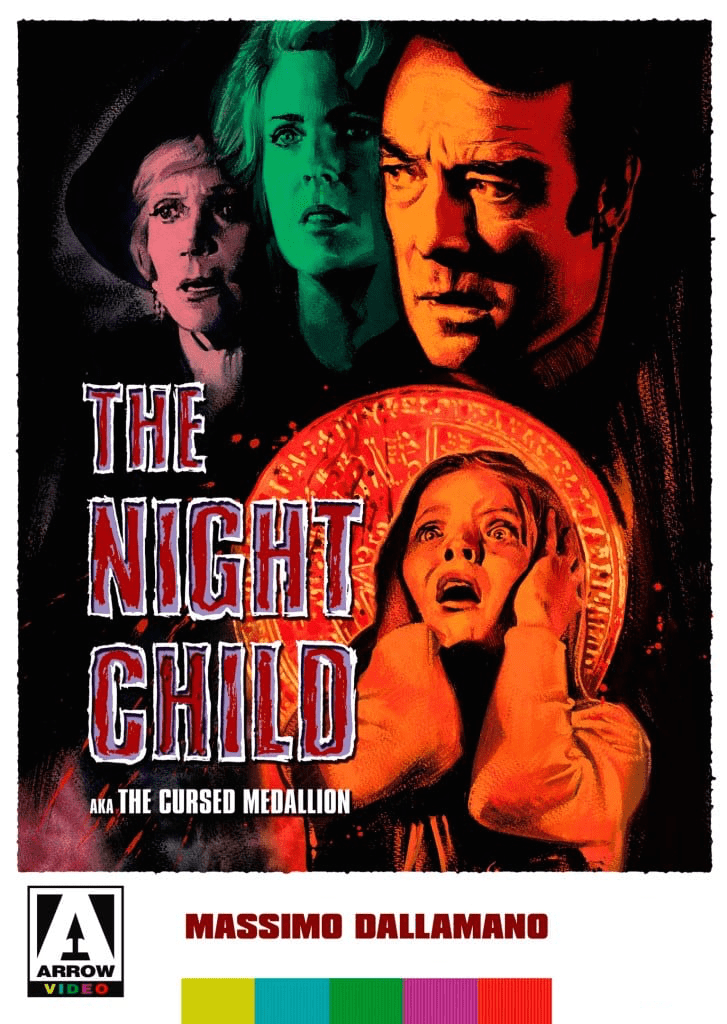
This week we take a look at another film from Massimo Dallamano’s filmography, and this time there isn’t any horse fucking in sight… thankfully. Released in 1975, “The Night Child” could be viewed as an attempt to cash on in the success of “The Exorcist” (released two years prior) but truth be told, the films are wildly different and that does this film a disservice. If anything, this film has more in common with “The Omen” but that was released a year after “The Night Child”.
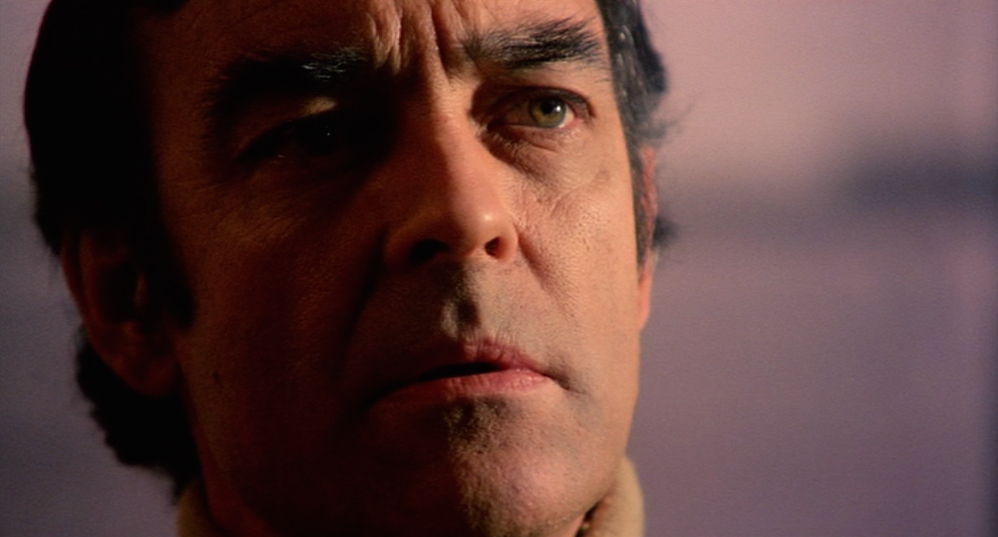
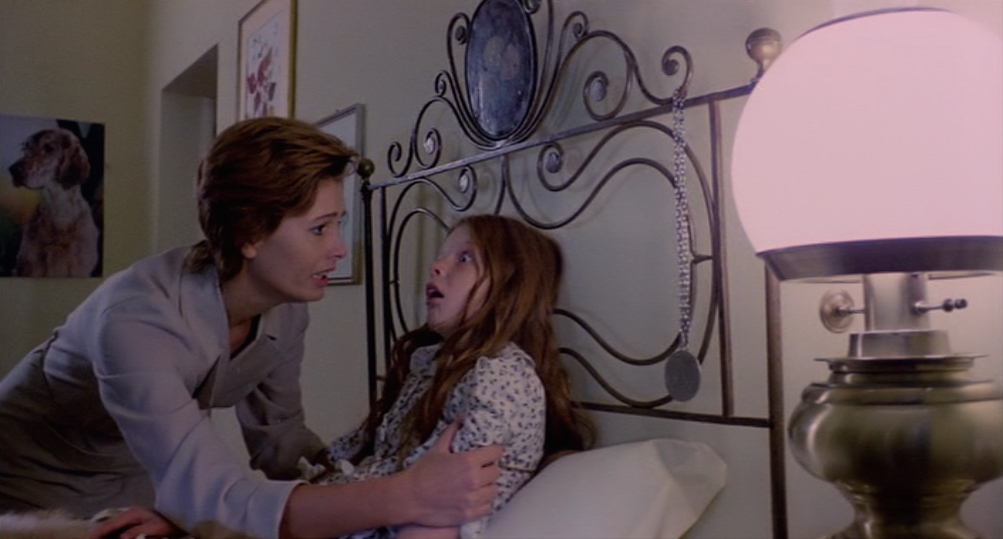
The film stars Richard Johnson (who readers of this blog will probably recognise from Lucio Fulci’s “Zombie Flesh Eaters”) as Michael, a documentary filmmaker whose wife was killed in a fire leaving him and his governess, Jill (played by Ida Galli) to look after his daughter, Emily (played by Nicoletta Elmi), who is suffering from reoccurring nightmares about her mother’s death whilst also having what appears to be visions of the past with her being persecuted by some angry villagers.
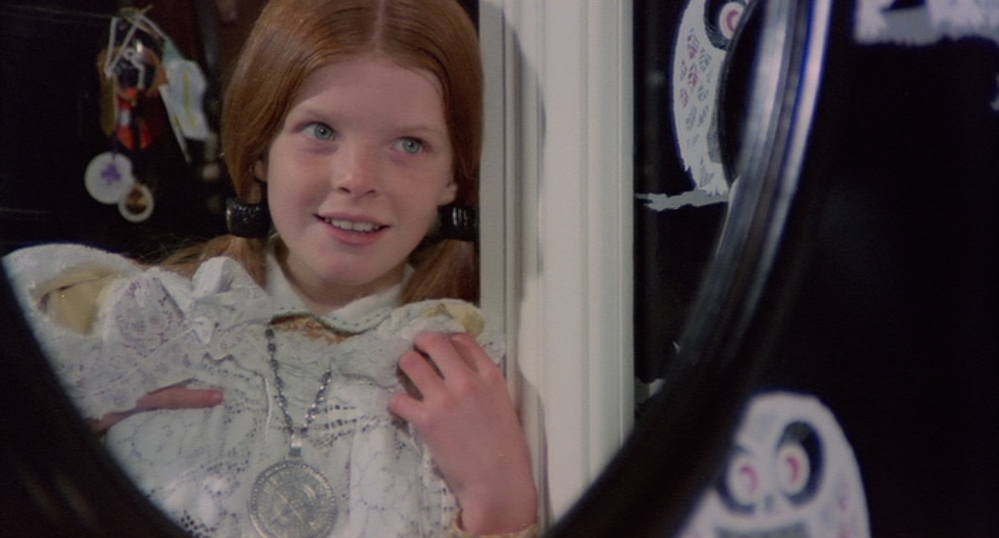
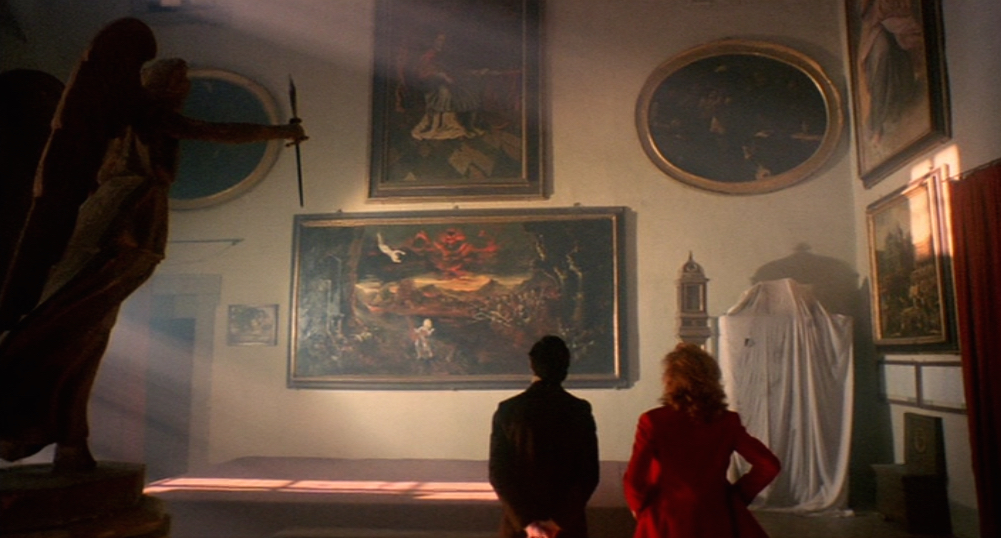
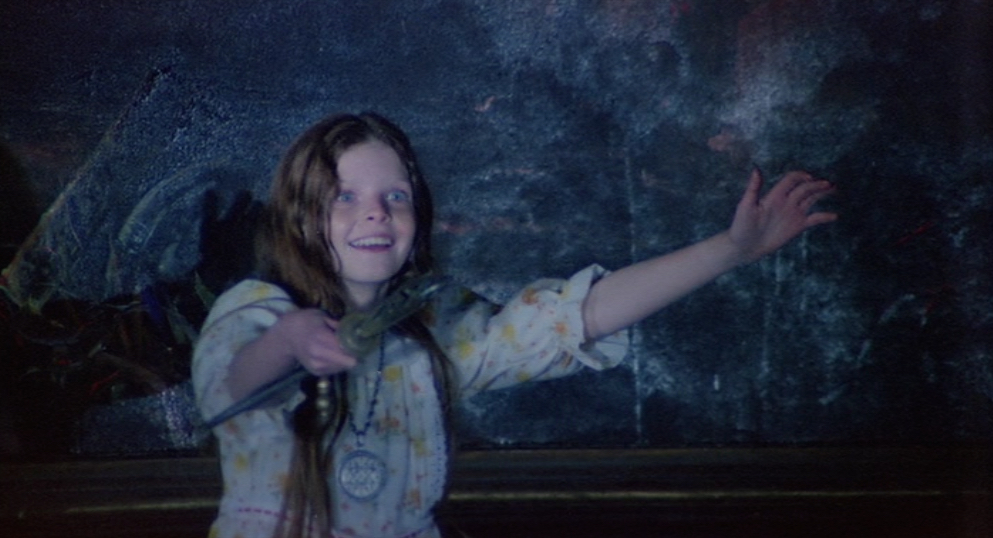
Emily finds a medallion that belonged to her mother, a gift from Michael, and begins to wear it with almost religious passion. Things come to a head when Michael is required to leave London to film a new documentary in Italy, focusing on art work depicting satanic rituals and the like. With Emily becoming more clingy to her father and her nightmares worsening, Michael decides to fly Emily and Jill out to Italy with him to keep an eye on her. This only seems to make Emily worse, especially after Michael uncovers a particular painting depicting a young girl, wearing a medallion (surprise surprise), holding a double aged sword as a hoard of angry villagers close in, all the while an angel flies above, whilst Satan watches over the entire scene.
Tensions also rises as it becomes clear that Jill is in love with Michael, while Michael begins a love affair with Joanna (played by Joanna Cassidy – you know, the snake lady from “Blade Runner”), Michael’s production manager. This is a nice little subplot even though it doesn’t really go anyway, it just adds extra meat to the story.
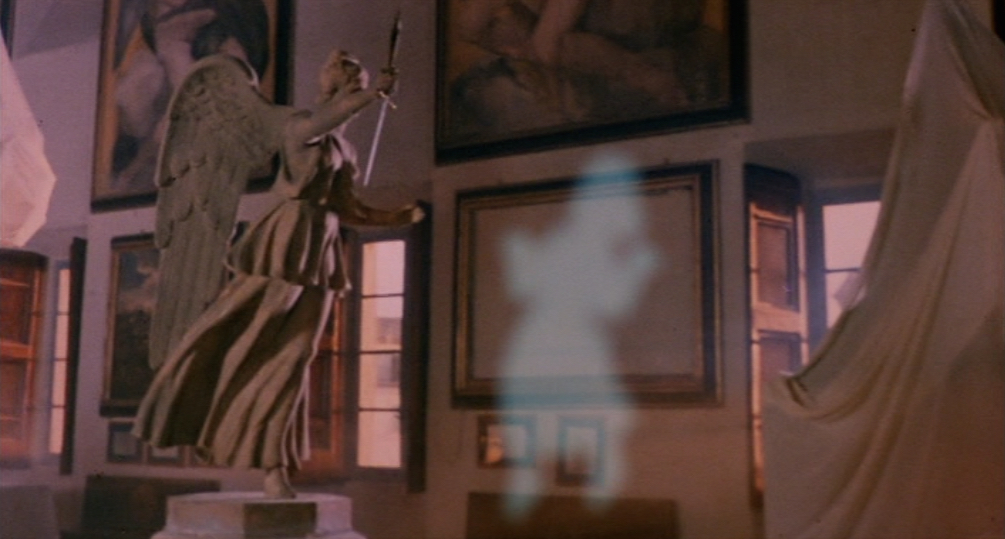
As Michael and his crew begin filming the documentary, they soon realise the footage has a strange ghost like blemish in the middle of it – almost the same shape as the girl depicted in the painting. It’s quite a creepy idea but the ghost looks a little bit like something out of “Casper” which kind of removes a lot of the threat!
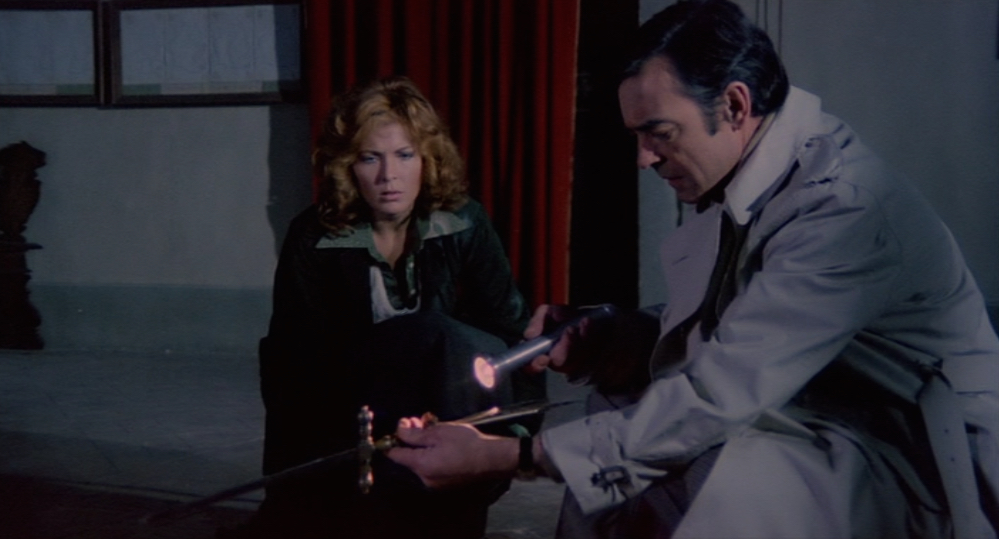
Whilst in the creepy old building where the painting resides, Michael finds (after narrowly missing a falling statue) another medallion (identical to the one Emily is wearing) and a double ended sword, further linking real life to the strange event depicted in the painting. The sword becomes integral to the climax and the film’s alternative title “Together Forever” is quite a plot spoiler in hindsight, as Emily’s possessiveness over her father increases and her behaviour becomes more erratic. Still, that’s better than the original Italian title: “Il Medaglione Insanguinato (Perche?!)” which translates as “The Bloody Medallion (Why?!)”.
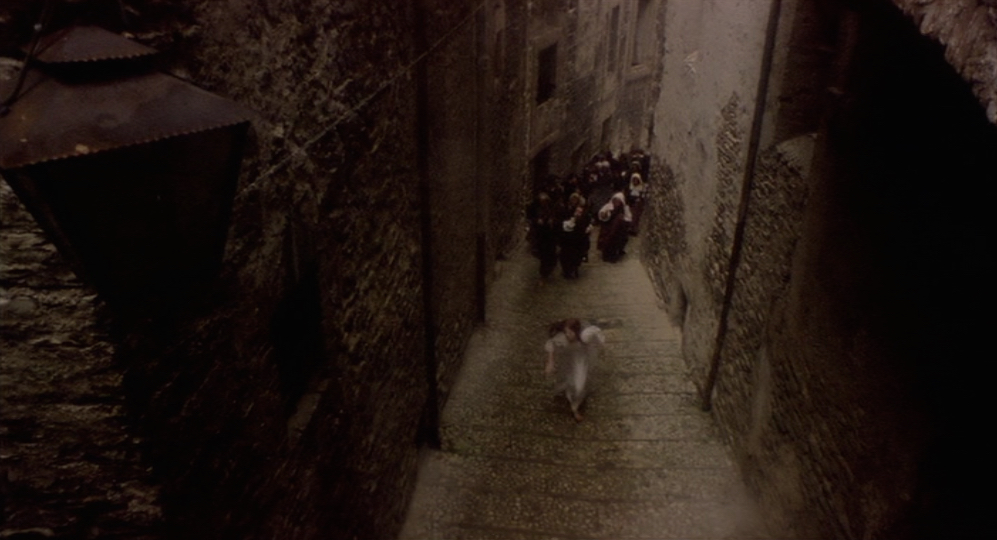
I don’t want to give much more of the plot away but I will say that the film almost has a Fulci style logic to the way it unfolds (think of his “Gate Of Hell” movies specifically). There are events which occur that aren’t necessarily explained and it feels like it is left to the viewer to piece it together, but without any guarantee things will tie together nicely or ultimately make sense. With those Fulci films though, things tend to really kick off in the third acts, giving some pay off to the fact that the plots don’t totally hang together, whereas here the third act goes out with a whimper rather than a bang which is a shame.
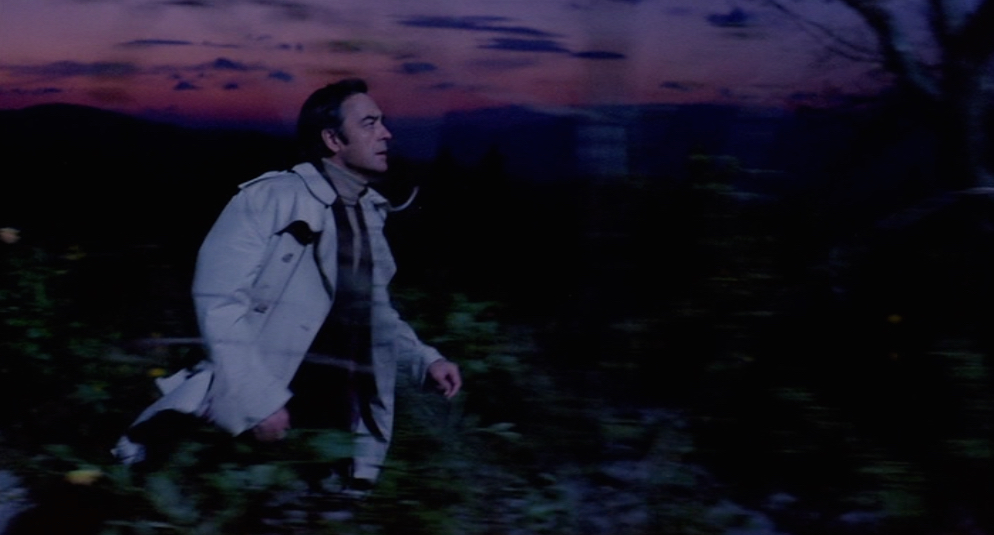
The film has some great visual moments, not least because Italian countryside always looks stunning, but also as there are some striking images such as a scene when Michael is running towards his Italian residence at dawn with a beautiful red sky in the background; it’s a small thing but adds a lot. It’s stylishly shot and Dallamano is a very skilful filmmaker, which was also evident with “Venus In Furs”, despite my problems with that film. “The Night Child” would be one of Dallamano’s last films, passing away a year after its release at the age of 59.
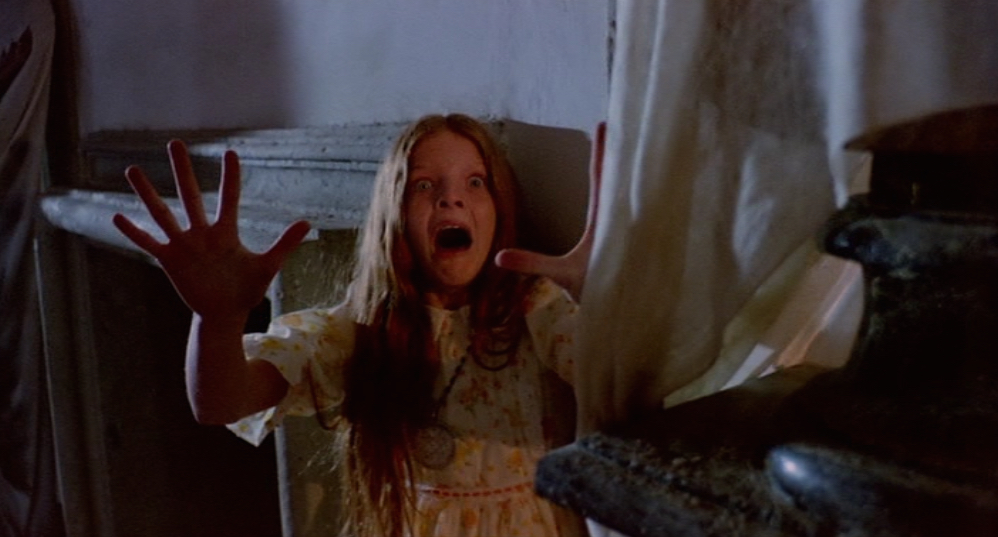
I cannot fault the acting at all. Richard Johnson is a great lead and for once I am reviewing a film with a good child actor, in the form of Nicoletta Elmi. Sadly her character arc doesn’t quite give her as much to do as she probably deserves. I would have liked to have seen her turn up the creepy in the latter part of the film but that’s not her fault. She acts terrified, screams and conveys her torment well whilst not being annoying and she has good teeth! A rare thing for children in these films! Nicoletta Elmi would have a short but perfectly formed career as an actress, previously featuring in Mario Bava’s “A Bay Of Blood” and “Baron Blood”, Aldo Lado’s “Who Saw Her Die?” before going on to feature in genre classics such as Dario Argento’s “Deep Red” and Lamberto Bava’s “Demons”, where she plays the very striking usherette, Ingrid. She decided to quit acting and is now a doctor, so full respect to her. It’s also nice to see she grew into her massive hands too.
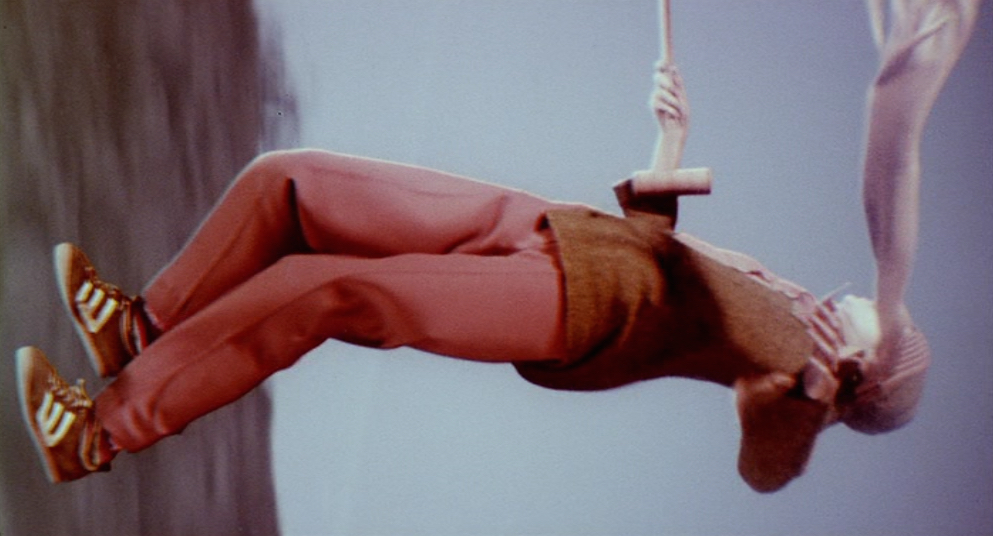
The special effects let the film down a little; there are two scenes where characters are falling to their deaths and the effect doesn’t really work. On top of that there is the previously mentioned “Casper the friendly ghost” image but the film isn’t really about flashy effects, it’s more about mood and the film certainly excels in that respect.
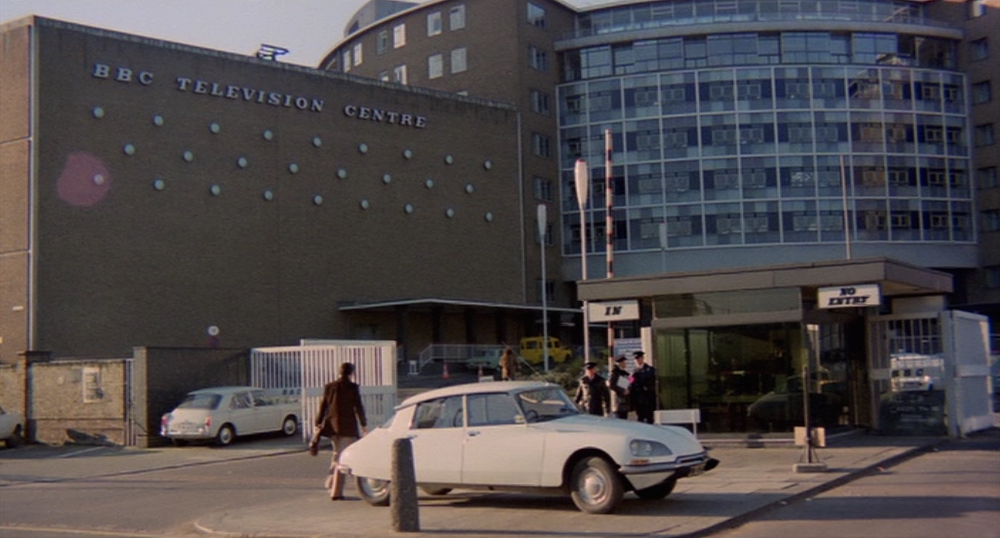
Something that did make me chuckle was the character of Michael claiming to work for the BBC, even pulling up outside television centre, something of which I doubt the BBC were even aware, let alone approved. Certainly the security guards that start walking towards Richard Johnson after he parks his car on the pavement outside Television Centre would suggest so!
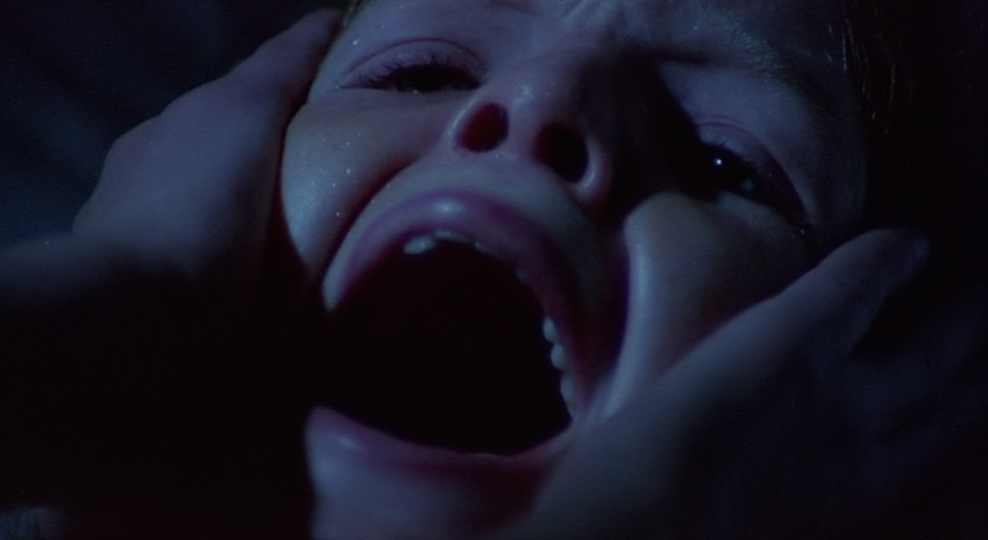
The reason for Emily’s descent to the dark side isn’t totally clear, at least not to me, which ultimately makes the third act slightly unsatisfying. It is revealed that she had done a bad thing prior to wearing the medallion so to blame it on a curse just doesn’t really work. I rarely feel like a film needs to be longer but I would have been more than happy for this film to last another 30 minutes so they could amp up the crazy a bit and make it clearer as to what has really happened to Emily, whether that be possession or just being unhinged. Instead the film tries to tie it all together with a biblical quote at the end which doesn’t quite work in my eyes.
The score by Stelvio Cipriani is very effective, giving us several variations on the same theme to suit the action on screen. Cipriani would continue to have a very impressive career, working for the likes of Mario Bava, Joe D’Amato, Lucio Fulci, Umberto Lenzi, Sergio Martino and Ruggero Deodato; it’s like a who’s who of Italian horror and exploitation! Cipriani would also score James Cameron’s first film “Piranha II: The Spawning”.
“The Night Child” is a gentle and classy affair, and this works for the story it is telling. The film looks and sounds great, the performances are top notch but sadly the lack of coherence and creepy scares stop this from becoming a classic, but is still a hugely enjoyable watch all the same and deserves more love than it currently gets.

 Si's Homepage Of Horror
It’s a movie that has some imperfection but it’s quite enjoyable and it has a lot to be remebered in my opinion. In any case great review!
LikeLike