AKA Street Sisters / Black Mama /Don’t Leave Go My Hand
Director: Arthur Roberson
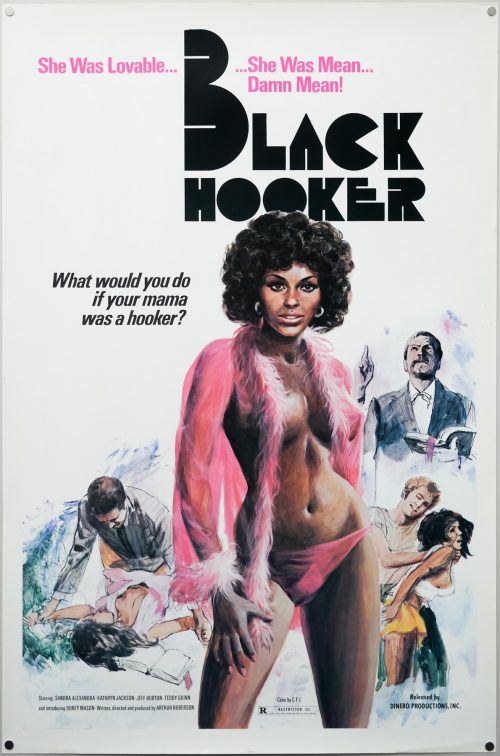
This week we are taking a look at our first “Blaxploitation” movie, the subtly titled “Black Hooker”, but is it really Blaxploitation? Certainly the cover makes it seem so with its tagline: “she was lovable… she was mean… damn mean!” The blurb on the back of the (not so official) DVD also seems to sell it as such: “Black hooker accidentally gets pregnant by a white man, and drops off the finished product at her parents house. Only grandma cares about little “what’s his name”. Grandpa the preacher despises the young lad, due to the fact his half-blackness doesn’t show. Ma-ma the prostitute couldn’t care less if little “what’s his name” lived or dies, as black hooker is too busy out living her sinful life to care about anyone but herself. It’s just a matter of time before half-white offspring becomes seriously screwed-up half-white guy, who has issues with women…” Sadly this sounds far more exciting than it actually is on screen and I suspect this was intended as a more conventional dramatic piece before being rebranded to appeal to the Blaxploitation market, seeing as the movie appears to have undergone several name changes before landing on “Black Hooker” – one of which being the slightly unpleasing word salad “Don’t Leave Go My Hand”.
Released in 1974, “Black Hooker” is brought to us by Arthur Roberson, who not only wrote and directed the film but he also is credited as the art director, production designer and set decorator. This passion project for Roberson would be the only film he would work on and I can’t seem to find any information about what he did before or after, other than a review on IMDB from someone stating that he used to be a social worker in the ghetto. You would think that would have given Roberson ample experience to draw on to craft an interesting and dramatic film. Sadly this isn’t the case and on the strength of this movie, writing and directing doesn’t seem to be his forte.
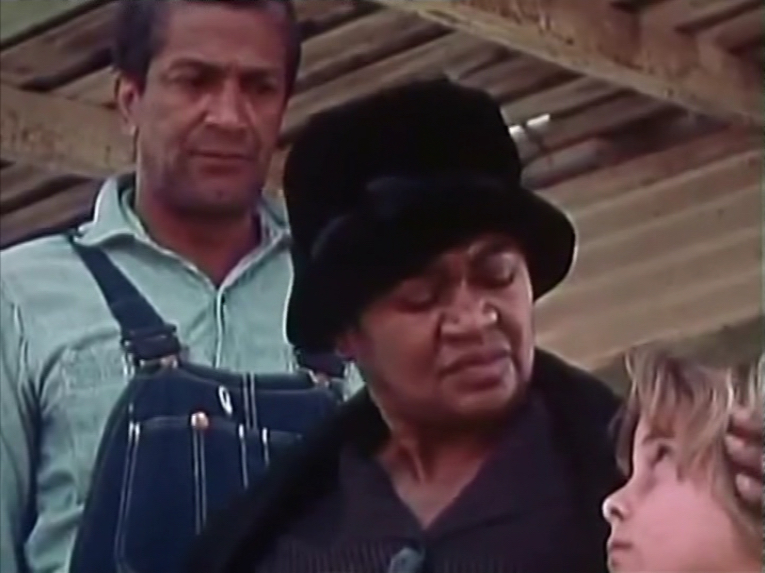
As mentioned above, the basic plot involves a young woman, the black hooker, who has left her “mixed race” son (simply credited as “Young Boy”) with her parents at their rural home to continue to pursue life as a prostitute in the city. The boys grandma raises him as her own and is your typical homebody while the preacher grandfather is not quite so welcoming to her daughters bastard child. “Your momma don’t love you, you was had wrong” he says whilst threatening the boy with a stick in the films opening scene. Despite this, the boy wishes his grandpa would accept him and pleads for his love and care.
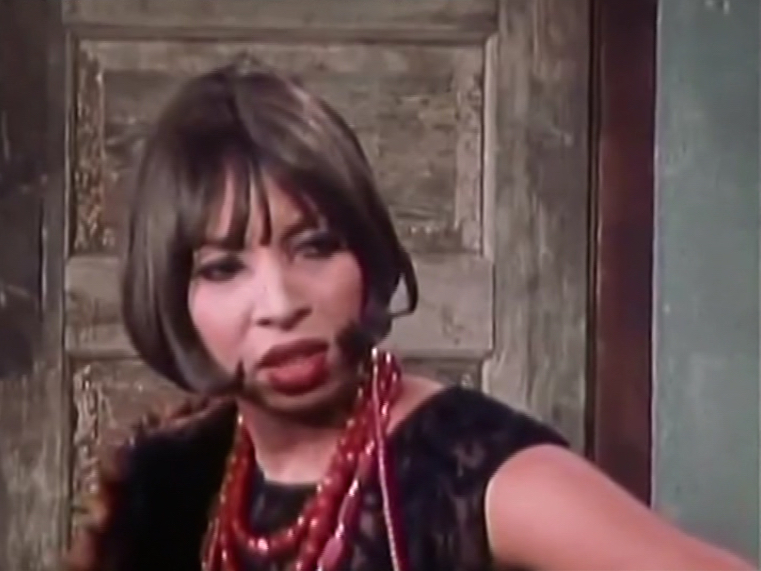
Our titular character, who looks nothing like the artwork depicting her, (credited as “The Painted Woman”) visits her family in the country with a whole lot of sass and a whole lack of love, much to the distain of her parents, who believe her daughter has turned her back on god. After a big argument, she leaves and heads back to the city where we see her working as a prostitute. Here she asks a white client to “admire her black magnificence” before he gets beaten up by her pimp. I guess because of his skin colour? It’s never explained. Given the film is call “Black Hooker”, she barely makes an appearance and instead we spend much of the run time with the boy and his trials and tribulations living with his grandparents. Maybe the film should have been called “Bastard Child” rather than “Black Hooker”.
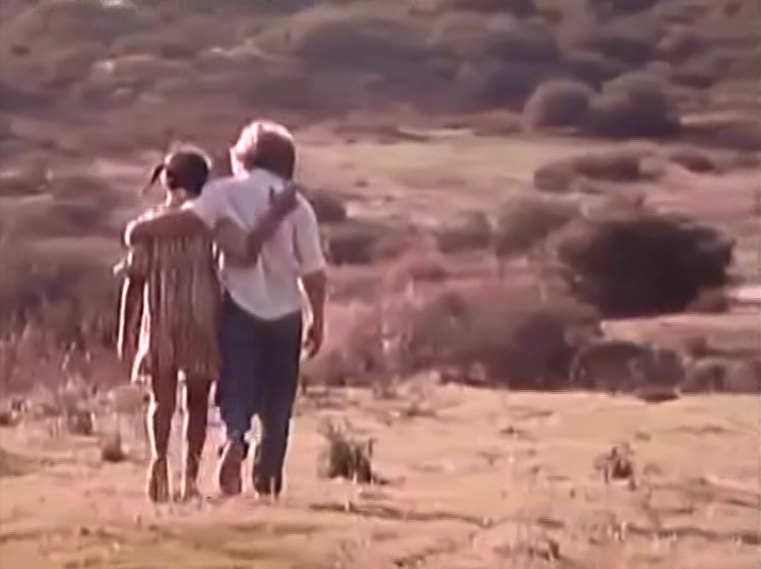
Despite his problematic background and absent mother, the young boy (surely they gave him a name?!) seems to have a fairly happy childhood, playing in the idyllic countryside with his friend, a young black girl who will become integral to the plot later on. Time passes by though and soon the young boy becomes an adult (played by a different actor, who looks uncannily like actor William Katt, imaginatively credited as “Older Boy”) and is madly in love with his childhood friend, who still seem to play together just as they did when they were little, albeit with an increased amount of light petting.
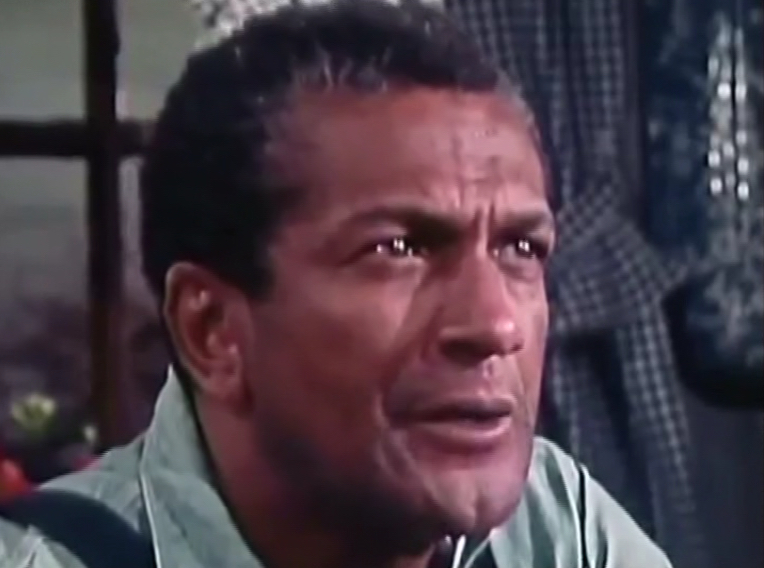
Things take a turn though when Grandpa begins to come on to his grandsons love, which she seems to welcome. “You sure have grown up lately, come over here and let me take a good look at you girl” grandpa says luringly. “I’m seventeen now, a full grown woman”, she replies. Seventeen?! Nope. I’m not buying that, and the actor playing the son certainly isn’t seventeen, seeing as he looks like he is approaching his mid thirties. The girl and grandpa end up having sex in the barn (a literal roll in the hay) which also doubles as the church he preaches in – but they are spotted by the “Older Boy”. After a big argument where grandpa explains what happened in the barn was purely for religious purposes and that grandma has learnt to shut her eyes at such behaviour, the “Older Boy” decides to leave home and head to the city where he is rejected by his mother again, gets a job, and is then hit on by a married co-worker but this doesn’t go anywhere.
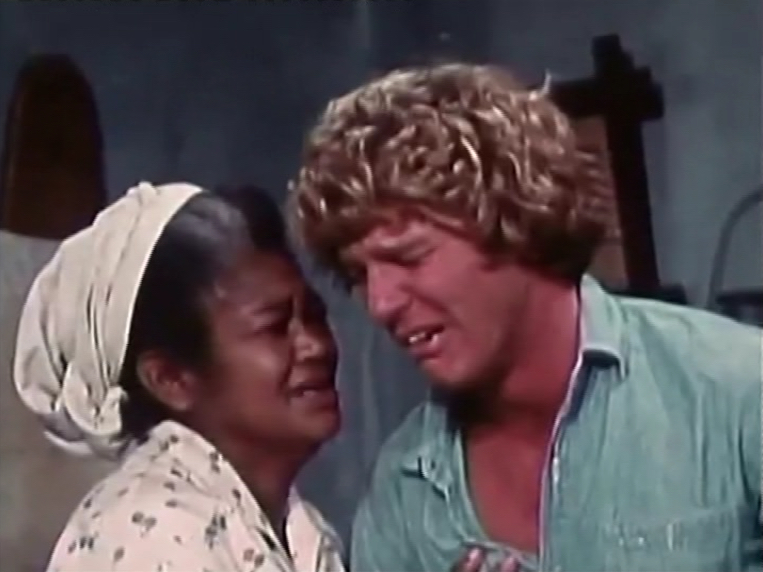
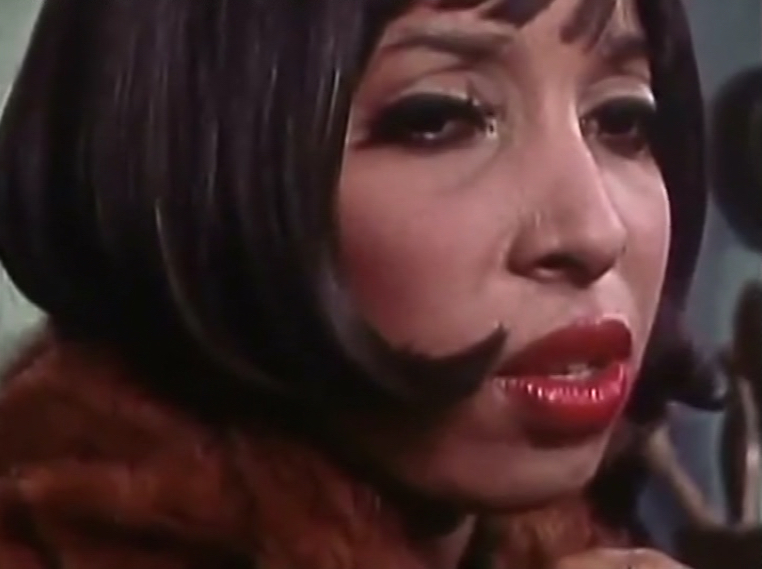
Then I think there is meant to be a passage of time as back at the country home, grandma and grandpa are getting ready to attend the boys graduation. At this point of the film, the plot gets a bit murky as at no point have we been shown or heard about him being at school so it’s all a bit confusing. “The Painted Woman” visits her parents, although I’m not sure why as all she does is bully them, this time to the point grandma has a heart attack and dies. The film then cuts rather abruptly to the “Older Boy” blaming grandpa for her death at the funeral before we see “The Painted Woman” draped over the coffin comforting her son. We then cut to the pair back in the city where she confesses she has not been very well but her son calls her a whore and then murders her. It’s a very odd ending and the editing does little to help with this. When “The Painted Woman” tells her son she is unwell, it feels like she is asking for help from her son. Then there is a knock at the door and a gentleman is standing in the doorway who I presumed was a doctor, until the “Older Boy” slams the door in his face before verbally and then physically abusing his mother. Was the gentleman in the doorway a client? What was wrong with “The Painted Woman”? Was she physically sick or was she referring to her behaviour to her family? The last ten minutes of the film feels very rushed, which is odd considering the amount of times we have to endure uncomfortably long scenes of characters “emoting”, often in extreme close up. Needless to say, the ending is depressing, but I didn’t really care about the characters at all and certainly not “The Painted Woman”, so the conclusion didn’t really have any emotional impact on me. I was just glad it was all over.
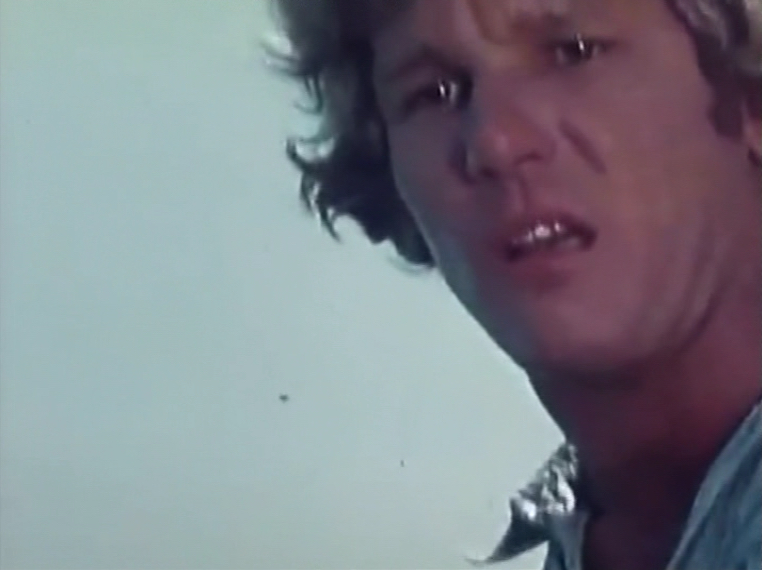
There is a brilliant comedy film from 1979 called “The Jerk” starring Steve Martin as Navin, a dim witted white boy adopted by a black family in Mississippi and Navin believes that he too is black. When he is told by his adopted mother that they are not his biological family, Navin responds by saying “you mean I’m going to stay this colour?”. The scene is very sweet and very funny. Parts of “Black Hooker” play out like these earlier scenes in “The Jerk”, without attempting to be or actually being funny. The main reason for this is because they have chosen white actors to play the illegitimate child, and there is no way they can pass as anything other than a white so it feels like at any moment they too are going to say something similar to “you mean I’m going to stay this colour?”. The film loses any dramatic weight it might have had because of this casting and casting blonde haired white actors as a mixed race character is pretty offensive. This may have been acceptable in the era this film was made but people should have known better! Good Blaxploitation movies are a celebration of black people and the films show black people as empowered but “Black Hooker” does nothing of the sort, especially given this questionable casting choice.
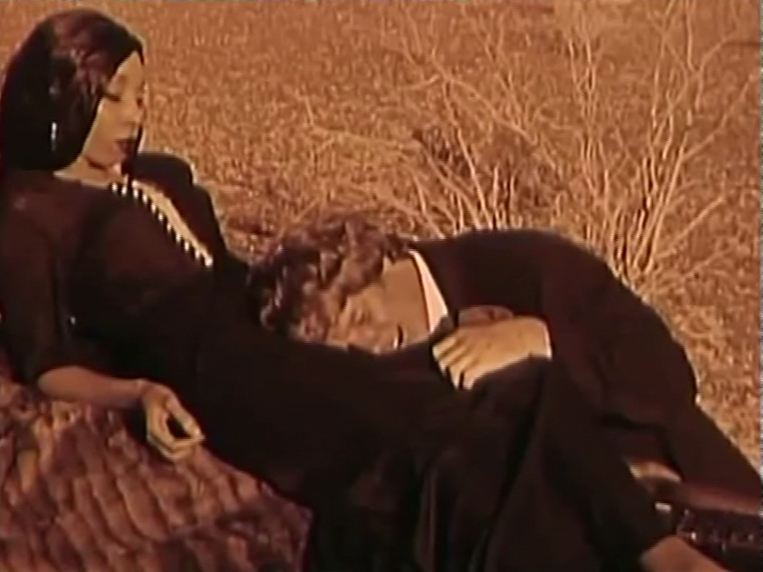
The acting is nothing special and unfortunately both actors who play the bastard child (Teddy Quinn and Durey Mason) are pretty amateur, with the adult version of the character seeming to be played with some sort of learning difficulty, although I suspect this is a side effect of having a thirty year old playing a seventeen year old boy. Furthermore “The Painted Woman” (Sandra Alexandra) is played with an irritating amount of cliche. Grandma and grandpa (Kathryn Jackson and Jeff Burton) fare better and it’s therefore no surprise that out of the primary cast in the film, these are the only two actors that have more entries on their IMDB pages than just this one film. Jackson would also appear in genuine Blaxploitation film “The Black Godfather” amongst others and Burton in genre classic “Coffy” as well as the original “Planet Of The Apes”.
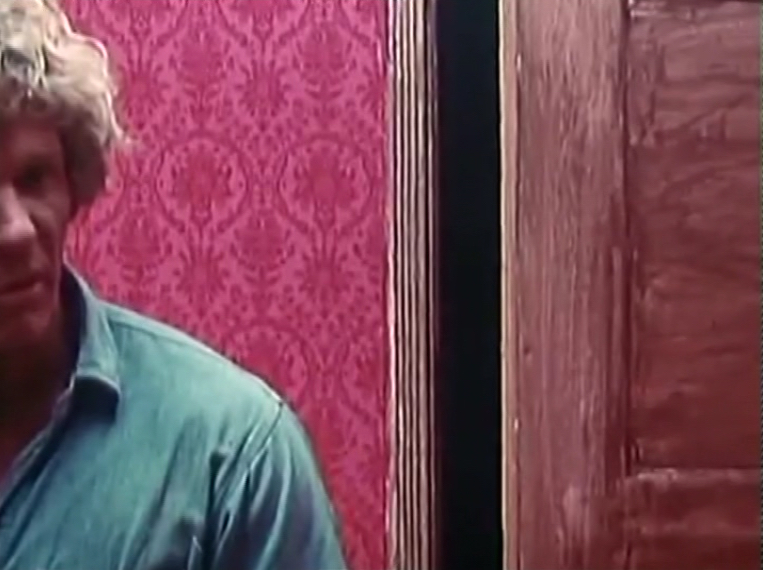
I can’t really comment on the cinematography as it’s pretty tricky to see on my copy which seems to be a rip from a very worn (for some reason) VHS but I will say this; the framing of some scenes seems very off. Characters exit frame even though they are still talking regularly and I can’t work out if this is down to bad blocking and direction or it’s because my copy of the film has been cropped. The sound is slightly distorted and crackly at points but this I can attribute to the poor quality copy I have. On the plus side, some of the music is good but I’m clutching at straws with that really. I want to say more positive things but I found the film such a dreary experience to endure it zapped all the energy out of my body.
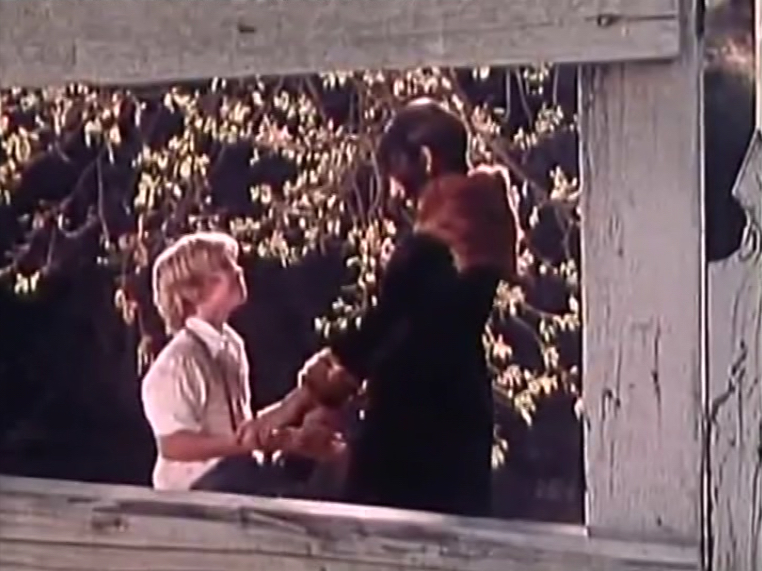
“Black Hooker” won’t satisfy fans in need of some sleazy exploitation nor is it intelligent or well crafted enough to be enjoyed as a serious dramatic piece, it’s just a misfire across the board. The film has little to say, takes a long time to say it and ultimately it’s just a bit of a slog. I know very little about Blaxploitation but even I can see this is a bad example of the genre, and probably was never intended to be part of the genre anyway. If indeed, the reviewer of IMDB is correct and Roberson was a social worker in the ghetto, “Black Hooker” feels like such a wasted opportunity to make an interesting film based on what he might have experienced. Furthermore, I can’t help but feel bad for Roberson. I don’t doubt that he set out to make a good film, and frankly it’s an impressive feat when any film gets made so at least he had a stab at following his dream, but the fact it is his first and last movie speaks volumes. Sadly the casting of a blonde haired white boy/man in the role of a mixed race character makes the whole movie fall apart. Unfortunately this film isn’t worth your time.

 Si's Homepage Of Horror